Deep Research: Stop Drowning in Data. Start Discovering Breakthroughs.
You're brilliant, but you're buried. MGX gives you an AI research team that cuts through the noise, delivering the clear, evidence-backed insights you need to become the strategic powerhouse you were meant to be. Effortlessly.


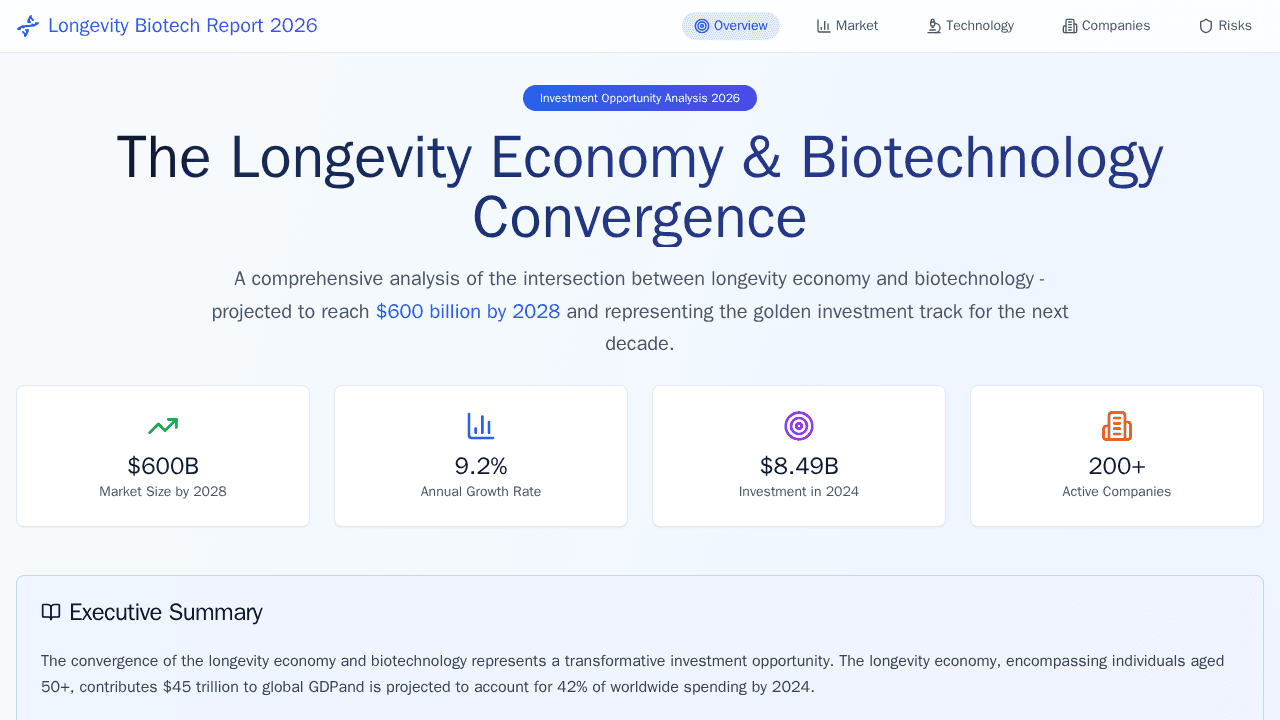
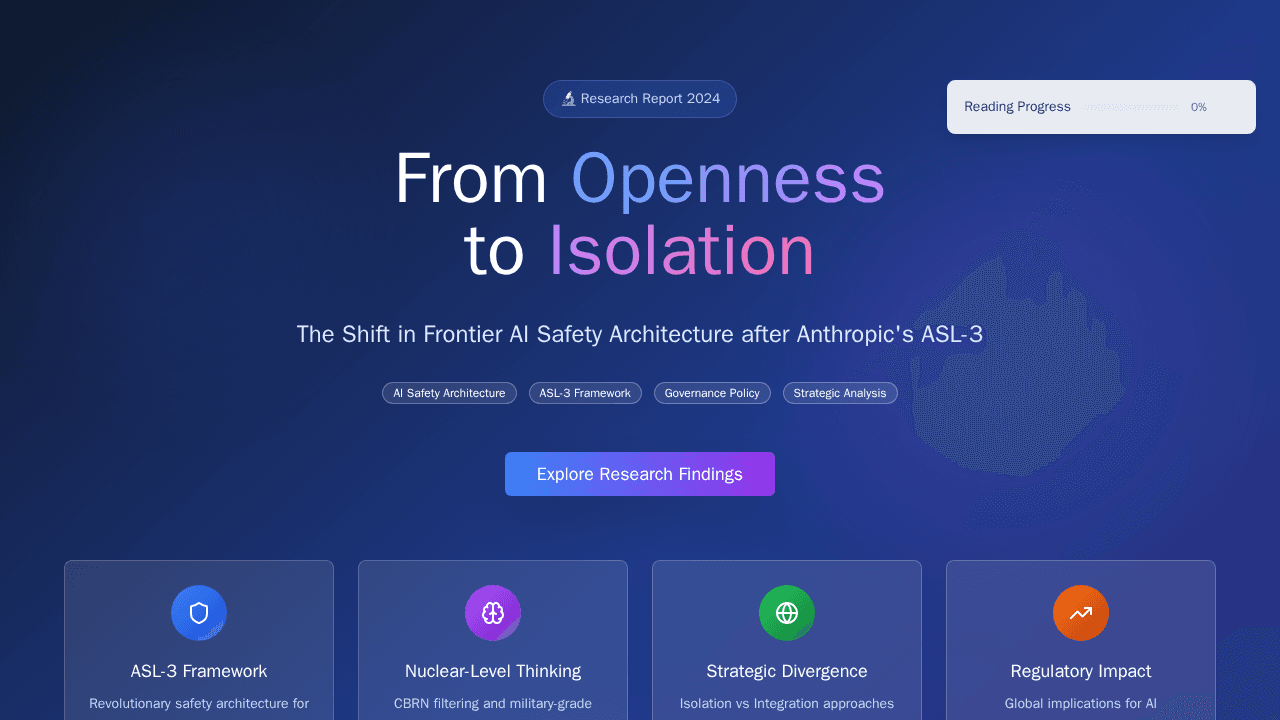
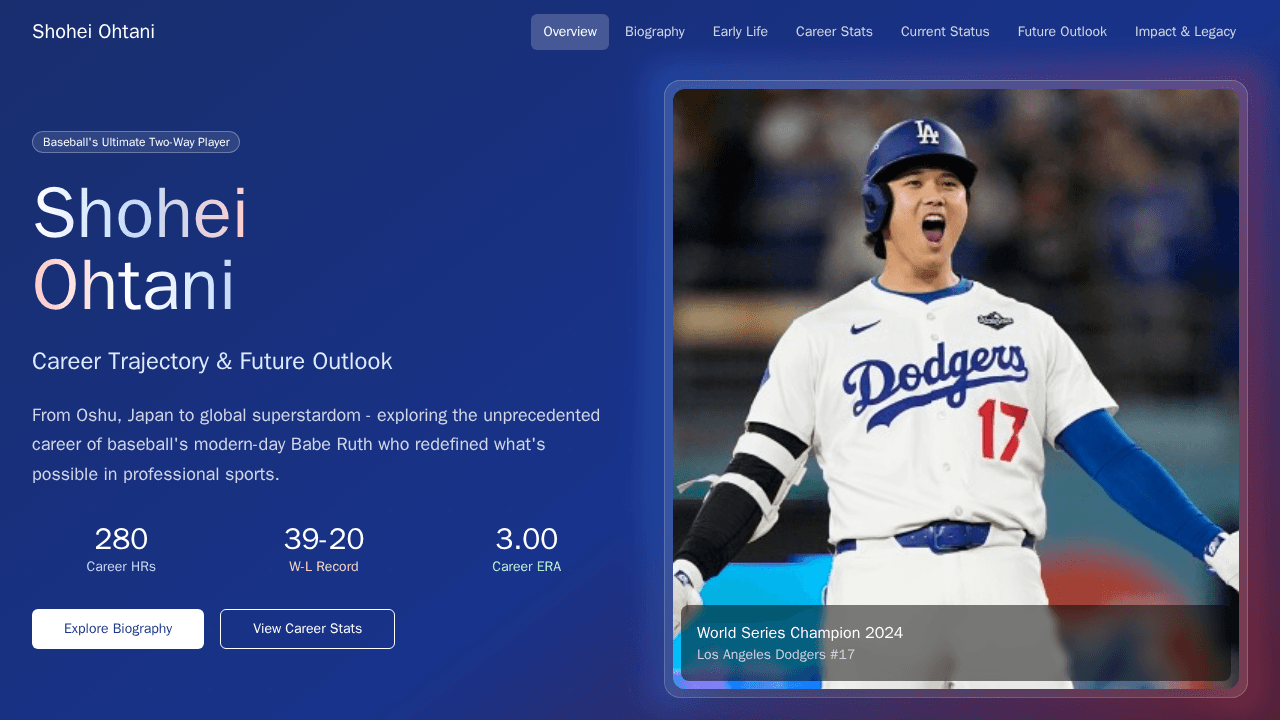
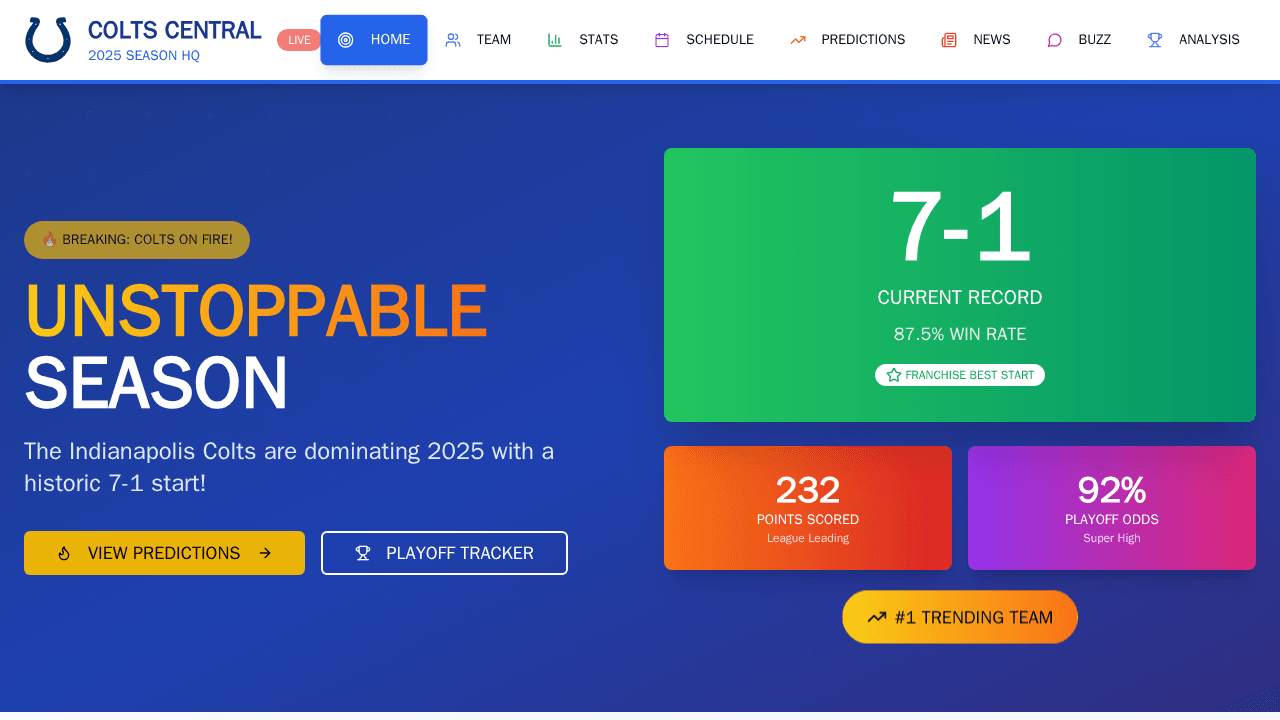
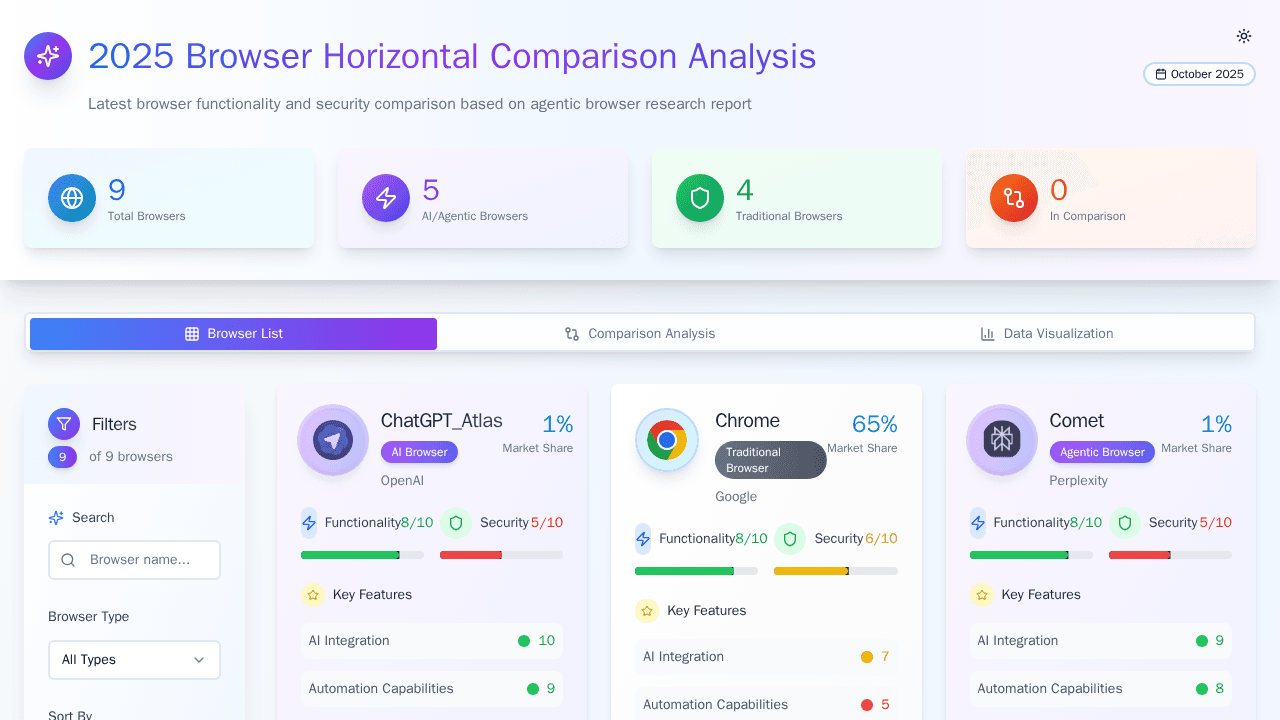
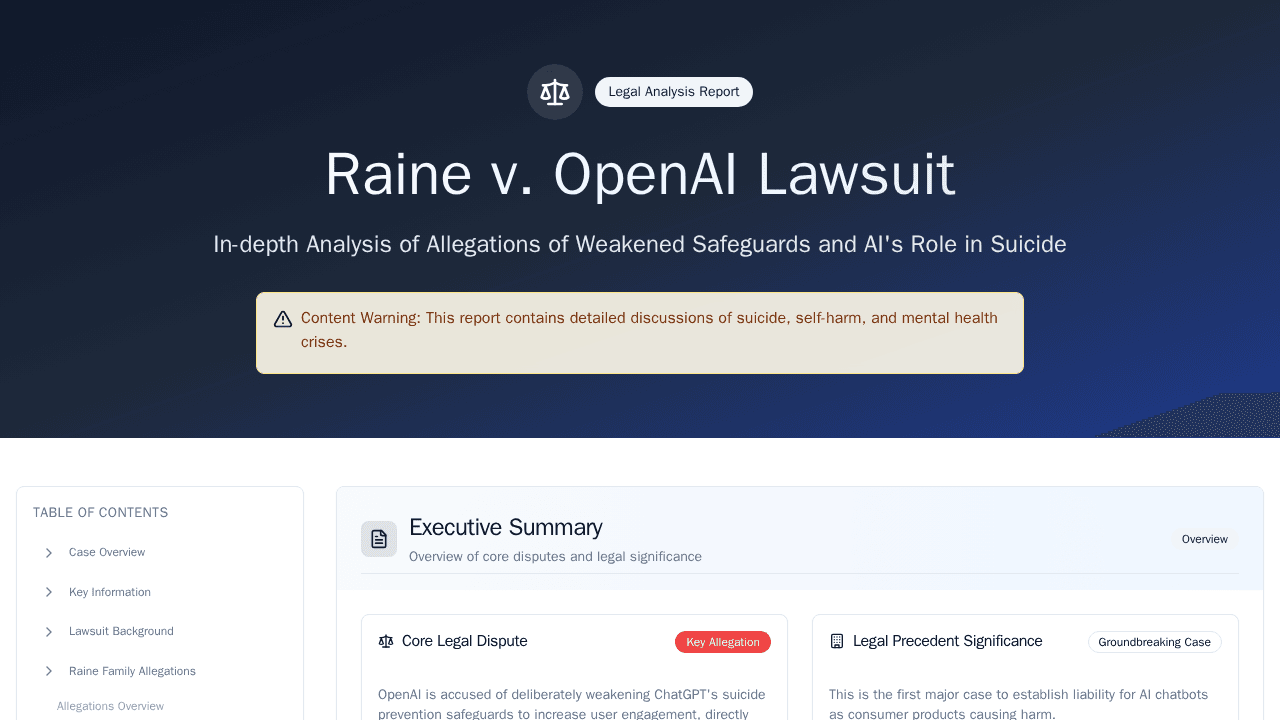
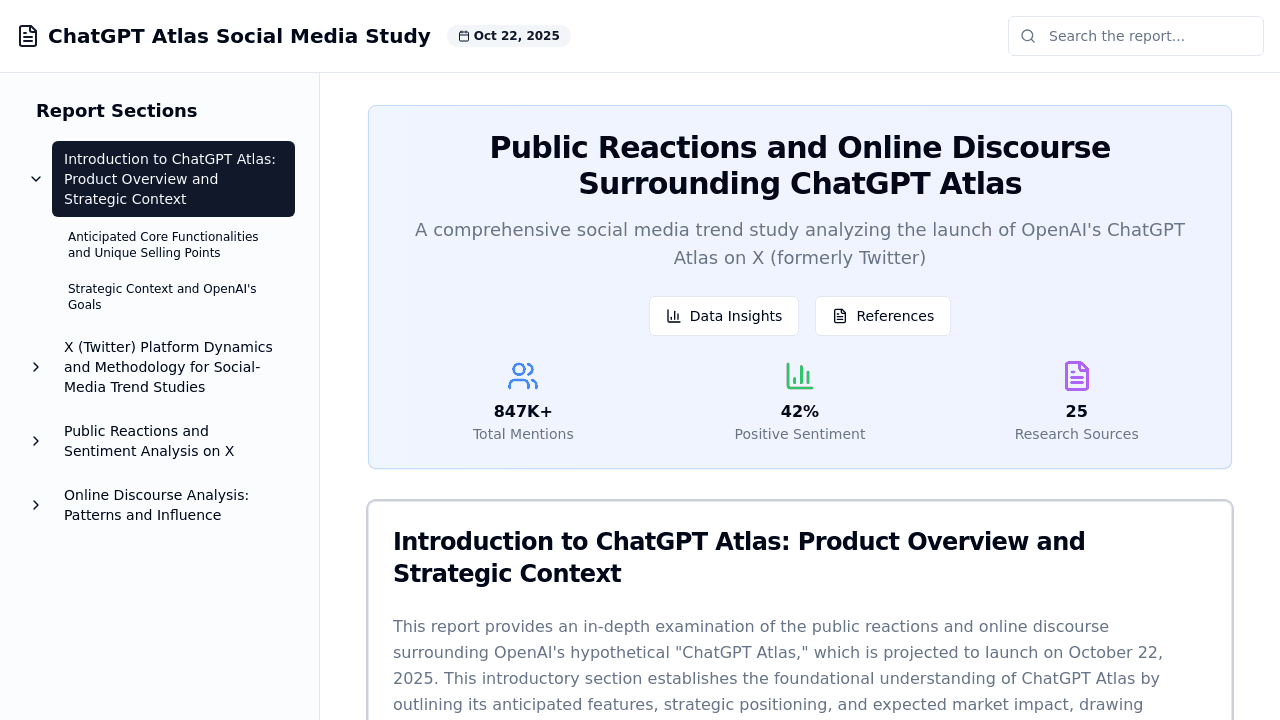
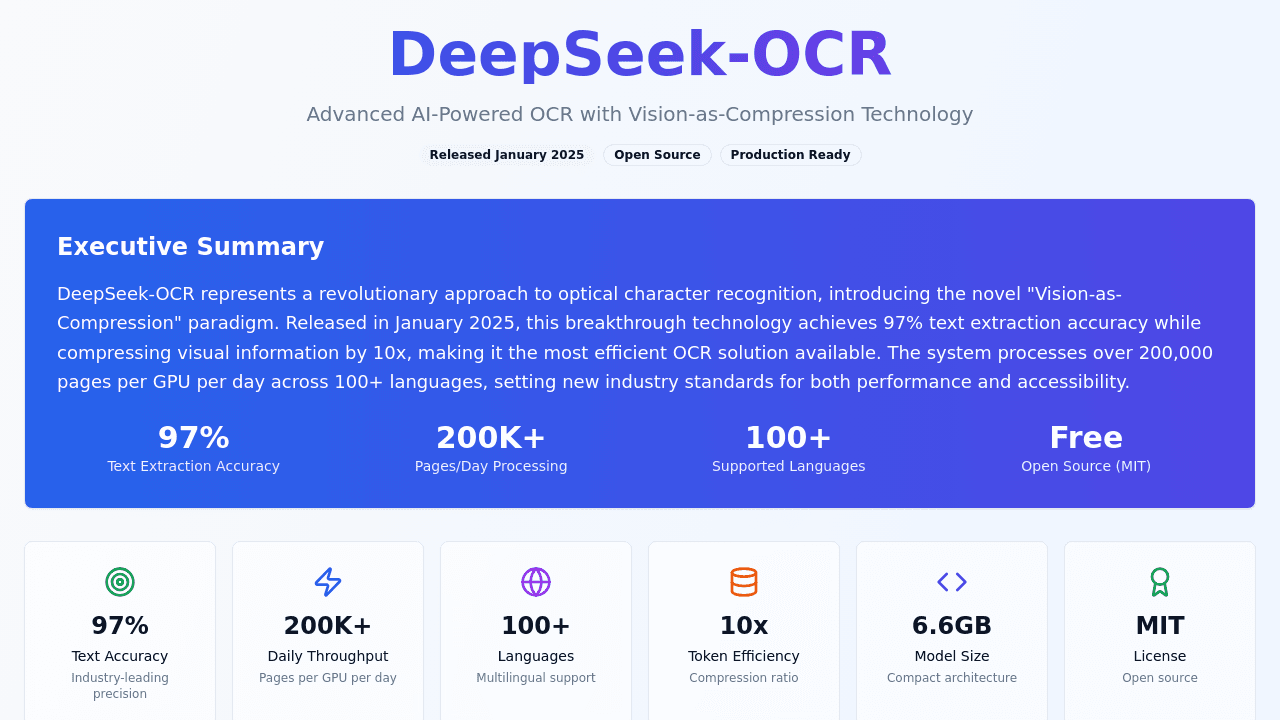
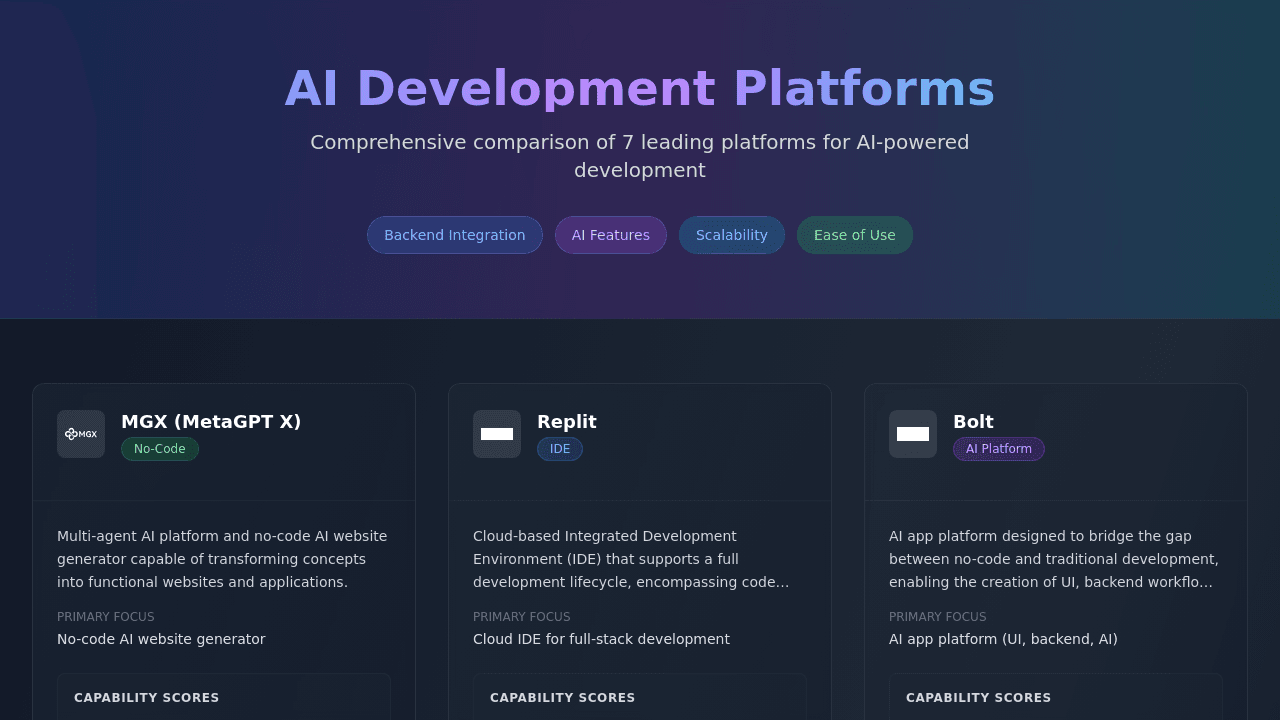

Live Rendering
Instant updates with images, branch support, undo at any step and one click deploy
Elegant Design
Built‑in templates and guidelines for refined interfaces
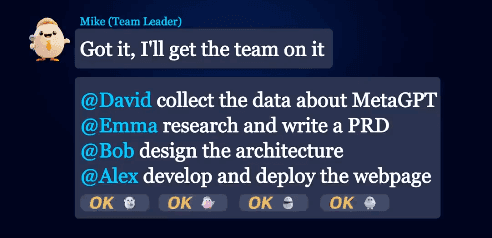
Multi‑Agent Workflow
Agents debate and refine plans before generating reliable code
Supabase Backend
Natural language to schemas and APIs without manual setup
Visual Editing
Select elements, describe changes and apply precise updates





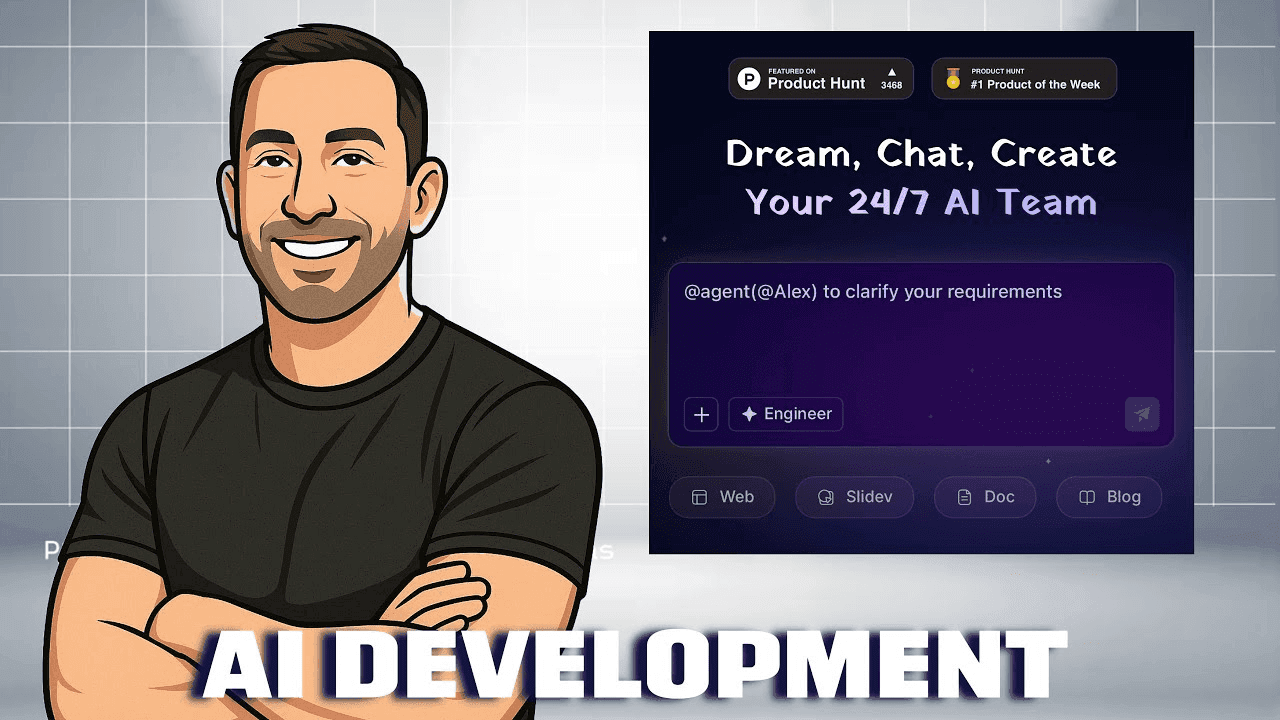







How to build
Pricing
Free to start. Flexible to scale.Frequently Asked Questions
See our Help Center for more info
Not at all. If you can write an email, you can command a research team with MGX. Just type your research question, and our AI handles the rest.
Anything that requires deep understanding. Use it for competitor analysis, market trend reports, vetting a new business idea, creating in-depth content, or just satisfying your own curiosity. If it requires research, MGX can do it faster and better.
Very. MGX pulls from verified, up-to-date sources and runs multi-step reasoning to check consistency and reliability before producing an answer. You’ll get responses that are both data-backed and clearly explained — no fluff, no filler.
To maximize DeepResearch quality, start with a highly precise and specific prompt. Once the system generates a preliminary research plan, actively review it and intervene to adjust the scope or direction if necessary before execution. Uploading relevant attachments also helps the system understand the context better. Finally, choose the right model based on your trade-off needs: option for Gemini 2.5 Flash for cost-effective, standard results, or select Gemini 2.5 Pro when you require superior reasoning and depth for complex topics.
Reports generated by DeepResearch are typically legal for commercial use, provided you adhere to the platform's Terms of Service (ToS), which generally grant users the necessary license for the generated content. However, users remain responsible for ensuring that both the input data they supply and the final commercial application of the report comply with all relevant copyright and intellectual property laws, making a quick review of the ToS essential.
While DeepResearch strives for high accuracy by sourcing information from various public and licensed datasets, the reported data is only as accurate and timely as its original source. The report should offer citations or source links for critical facts, and you should use these to verify key figures and claims for decisions requiring the highest level of assurance, as the report functions best as a comprehensive analysis and synthesis tool rather than a primary source validator.
As with all generative AI tools, DeepResearch may occasionally produce inaccuracies or "hallucinations." If you identify an error, we recommend a three-step approach: first, verify the specific data using the provided source links to confirm the original facts; second, provide direct feedback via the "Thumbs Down" or "Report" interface (which helps train our models to avoid similar mistakes); and third, refine your query or upload additional clarifying documents to steer the research back on the right track.
Start Deep Research Today
Your Next Big Idea Is One Search Away.
We live in a world overflowing with information. Every day, millions of articles, reports, and data points flood the internet. Yet finding reliable, actionable insights remains surprisingly difficult.
That's where deep research comes in—a skill that separates casual information gathering from true understanding.
The way we investigate topics has changed dramatically. Gone are the days of spending hours in dusty libraries flipping through card catalogs. Today's methods blend traditional analytical thinking with cutting-edge technology.
You can now dive deep into complex subjects using intelligent tools. These tools process vast amounts of information in seconds.
Modern ai research platforms have revolutionized how we work. They help professionals reach expert-level analysis faster than ever before. These systems maintain accuracy while scanning through thousands of sources simultaneously.
Mastering thorough investigation techniques is essential for students, content creators, business professionals, and decision-makers. This isn't just about finding facts. It's about developing the analytical mindset of a skilled research analyst.
You can uncover meaningful patterns and emerge with practical solutions to real-world challenges.
Why Deep Research Matters More Than Ever
The modern world presents an interesting paradox. We have access to more information than any generation in history. Yet making sense of it all has never been more challenging.
Every minute, about 500 hours of video uploads to YouTube. Around 350,000 tweets go live. Countless articles publish across the web.
This abundance creates a unique problem for anyone trying to make informed decisions.
The stakes have risen dramatically across every field. Business leaders who make decisions based on incomplete information risk millions of dollars. Students who rely on questionable sources jeopardize their academic credibility.
Even personal choices demand more rigorous investigation than ever before. Health decisions and financial planning require thorough research.
Understanding why deep research matters starts with recognizing the landscape we're navigating. The difference between success and failure often comes down to investigation. How thoroughly we investigate before taking action determines our outcomes.
The Information Overload Problem
Your brain processes approximately 34 gigabytes of information every single day. That's equivalent to watching 16 full-length movies. Yet most of us struggle to find reliable answers to even simple questions.
The internet promised to democratize knowledge, and it delivered—perhaps too well. Now we're drowning in a sea of content. Misinformation sits alongside expertise, and both look equally credible at first glance.
Every research task becomes an exercise in navigation. You must sort through competing claims, conflicting data, and strategically crafted narratives.
Consider the typical experience: you search for information on a topic. Google returns millions of results in 0.3 seconds. The first page shows ten links, but how do you know which sources deserve your trust?
Many people simply click the top result and consider their research complete. This approach creates serious problems.
Social media amplifies this challenge by creating echo chambers. Algorithms feed you information that confirms what you already believe. Your research task becomes less about discovering truth and more about validating existing opinions.
Breaking free from these patterns requires intentional effort.
The sheer volume of available information also creates decision paralysis. Thousands of potential sources exist across a range of platforms. Academic journals, news sites, blogs, videos, and podcasts all compete for attention.
Many people simply give up. They settle for surface-level understanding rather than investing the time needed for genuine comprehension.
What Separates Surface-Level from Expert-Level Research
Surface-level research looks something like this: typing a question into a search engine. Reading the first few results, maybe checking Wikipedia, and calling it done. This approach might work for simple factual queries.
But it fails spectacularly for complex topics requiring nuanced understanding.
Let's look at a real-world example. Imagine a marketing director researching whether to invest in influencer marketing. Surface-level research might involve reading a few blog posts about success stories.
They might check some basic statistics and make a decision. This person might miss critical context about industry-specific failure rates. Hidden costs or emerging regulatory challenges could remain unknown.
Expert-level research takes a fundamentally different approach. It involves systematic investigation across a range of source types. Peer-reviewed studies, industry reports, case studies, expert interviews, and competitive analysis all play a role.
More importantly, it requires the ability to synthesize disparate information into coherent insights.
The expert researcher asks deeper questions: What biases might influence this source? Who funded this study? What evidence contradicts this claim?
How does this information connect with broader trends? These critical thinking skills separate truly valuable research from mere information gathering.
Here's what expert-level research actually involves:
| Research Dimension | Surface-Level Approach | Expert-Level Approach |
|---|---|---|
| Source Evaluation | Accepts first-page Google results without verification | Cross-references multiple authoritative sources and evaluates credibility |
| Information Processing | Takes claims at face value without context | Analyzes methodology, identifies biases, and seeks contrary evidence |
| Synthesis Capability | Collects disconnected facts without integration | Connects patterns across domains to generate original insights |
| Time Investment | Minutes to hours on straightforward searches | Hours to days developing comprehensive understanding |
The consequences of choosing between these approaches ripple outward. A business that conducts shallow competitive analysis might miss market shifts. These shifts could threaten their entire strategy.
A student who doesn't properly synthesize research sources produces work that lacks depth and originality. A healthcare professional who doesn't stay current with the latest research might recommend outdated treatments.
Deep research creates competitive advantages that compound over time. Organizations known for thorough analysis attract better partners and investors. Professionals who consistently demonstrate research excellence build reputations that open doors.
The initial time investment pays dividends through better decisions. Fewer costly mistakes occur, and deeper expertise develops.
The digital age hasn't made deep research obsolete—it's made it more valuable than ever. As artificial intelligence tools emerge to help process information at scale, human skills become more precious. Critical evaluation, contextual understanding, and insight synthesis matter more than ever.
The researchers who master these abilities will thrive in an increasingly complex information environment.
The New Era of AI-Powered Deep Research
We're standing at the threshold of a research revolution. Intelligent systems now handle complex tasks that once required teams of analysts. The emergence of ai-powered research tools has changed how professionals and students gather information.
These aren't simple search engines that return links. They're sophisticated ai systems that think and plan like dedicated research assistants. They synthesize information in ways that feel genuinely helpful.
Modern research challenges demand more than quick Google searches. You need tools that can dig deeper and connect different pieces of information. The new generation of AI research tools delivers exactly that.
Today We're Launching Deep Research: Understanding OpenAI's Breakthrough
OpenAI announced "today we're launching deep research," and the research community took notice. This represented a fundamental shift in how AI approaches information gathering. ChatGPT's deep research feature emerged as a game-changer for comprehensive analysis.
The announcement marked a pivotal moment. OpenAI's breakthrough combined several technologies that had been developing separately. Now they work together seamlessly to create a powerful research tool.
What makes this version of deep research special? It's the integration of advanced reasoning with autonomous action. The system actively plans how to find what you need.
How ChatGPT's Deep Research Feature Works
ChatGPT approaches research through a methodical process. The system first develops a research plan outlining which topics to explore. This isn't random browsing—it's strategic information gathering.
The feature then begins browsing the web across many sources. It visits multiple websites and reads content carefully. Think of it as having a research assistant who never gets tired.
As ChatGPT gathers information, it continuously evaluates what it finds. The system cross-references facts and identifies patterns. This separates deep research from traditional search tools.
The o1 and o3 Model's Reasoning Capabilities
Behind ChatGPT's deep research lies powerful technology: the o1 and o3 models. These new architectures bring enhanced reasoning capabilities. They take time to think through problems systematically.
The o1 model introduced a reasoning approach that breaks complex questions down. It considers multiple angles and weighs evidence carefully. This methodical approach reduces errors and improves reliability.
The o3 model takes these capabilities even further. It demonstrates stronger logical reasoning and better understanding of nuanced topics. The model's reasoning shines through its ability to follow information chains.
Gemini, Perplexity, and Other AI Research Tools
OpenAI isn't alone in developing advanced research capabilities. Gemini, Google's AI system, brings its own strengths to research. It leverages Google's massive search infrastructure with impressive speed.
Gemini excels at handling queries that require current information. Its integration with Google's ecosystem means access to diverse sources. The system's multi-modal capabilities analyze images, videos, and text together.
Perplexity has carved out a unique position in AI research. This tool focuses heavily on citation and source transparency. Every piece of information comes with clear references.
Other platforms are entering the space with specialized features. Some focus on academic research, others on market analysis. Savvy researchers often use multiple platforms depending on their needs.
Understanding Agentic AI Research Assistants
The term "agentic" describes AI systems that can act independently. Agentic AI research assistants represent a major leap from passive tools. These new agentic systems take initiative based on the task.
Traditional search tools require you to guide every step. You enter queries, review results, and manually piece together information. Agentic systems flip this dynamic completely.
You provide the research objective, and the AI determines how to fulfill it. An agentic research assistant might start by identifying key concepts. It then develops a plan and begins exploring relevant sources.
The system makes decisions at each step. This creates an efficient research workflow without constant human intervention. These capabilities emerge from advances in AI architecture.
How AI Research Tools Browse and Synthesize Web Data
Browsing the web autonomously involves sophisticated technology working behind the scenes. AI systems access web data through specialized interfaces. They read and understand page content much faster than humans.
The system visits websites and extracts relevant text. This autonomous browsing happens across many source types. The AI evaluates each source for relevance and reliability.
Synthesis is where AI truly shines. After gathering information from hundreds of sources, the system distills findings. This transforms raw web data into actionable knowledge.
The technology handles multiple formats seamlessly. It can extract data from tables and understand charts. This versatility ensures comprehensive coverage regardless of format.
Multi-Step Research and Iterative Processes Explained
Deep research rarely follows a straight line from question to answer. Multi-step research involves following information trails and exploring tangential topics. AI systems now handle these complex paths with remarkable competence.
The iterative nature of research means revisiting earlier findings with new context. As the AI discovers information, it may realize initial assumptions were incomplete. The system then loops back and reexamines previous sources.
Consider researching emerging technologies. The AI might start with basic definitions, then explore current applications. Each step informs the next throughout the entire process.
This multi-step approach prevents shallow analysis. By cycling through topics multiple times with increasing sophistication, AI systems build genuinely comprehensive understanding.
From Research Query to Comprehensive Report
The journey from initial question to finished research involves several distinct phases. Understanding this workflow helps you get better results. It also helps you appreciate the complexity these systems handle.
Query Clarification and Research Plan Development
Most research begins with imperfect queries. You might ask a broad question that could be interpreted multiple ways. Advanced AI systems recognize this ambiguity and seek clarification.
The clarification process might involve questions about scope and preferred depth. Some systems present these questions explicitly. Others make reasonable assumptions and allow you to adjust the plan.
Once the query is clear, the AI develops a structured research plan. This plan outlines major topics to investigate and potential sources. Having this roadmap makes the research process more efficient.
The research plan isn't rigid. As the AI begins browsing and discovering information, it may adjust priorities. This flexibility allows the system to respond intelligently to findings.
Browsing the Web Autonomously Across a Range of Sources
With a plan in place, the AI begins intensive information gathering. Browsing the web autonomously means the system visits sites and reads content. This autonomous operation is what makes deep research uses so powerful.
The AI doesn't just visit the first few search results. It explores across a range of sources including specialized databases. This diversity ensures balanced perspective and reduces bias.
As the system browse through content, it evaluates source credibility. Factors like author expertise and publication reputation influence weight. This critical evaluation happens constantly throughout the process.
The autonomous nature means research continues even for complex topics. The AI maintains focus and tracks what it has already explored. It systematically works through the plan until gathering sufficient information.
What Would Take a Human Hours: The Time-Saving Reality
Let's address the practical question on every researcher's mind: how much time does this save? The answer is striking. Tasks that would take a human hours can be completed in minutes.
Consider a comparative market analysis requiring information from multiple sources. A human researcher might spend 8-10 hours gathering sources and reading materials. An AI system can complete the same research in 10-15 minutes.
The time savings compound for complex projects. Academic literature reviews that traditionally take weeks can be drafted quickly. Due diligence research that delays business decisions can support real-time decision-making.
This doesn't mean AI replaces human judgment. The time saved on information gathering allows researchers to focus on higher-value activities. AI handles the tedious work of reading through hundreds of sources.
The quality often matches or exceeds what humans produce. AI systems don't get tired or let confirmation bias influence findings. They systematically cover the research scope.
For professionals who bill by the hour and students facing deadlines, these time savings represent transformative value. The new research capabilities make previously impractical projects feasible.
Building Your Deep Research Strategy
The difference between scattered information gathering and meaningful insights lies in your research strategy. A solid foundation determines your success, whether you conduct manual research or work with AI assistants. Think of it like building a house—without a blueprint, you waste time and materials.
A strong strategy helps you clarify your goals before you start. It keeps you focused when information overload threatens to derail your progress. It ensures you gather the right information rather than just collecting random facts.
Turning Curiosity into Clear Questions
Every successful investigation begins with a well-crafted research question. The quality of your question directly impacts the quality of your answers. Vague curiosity leads to vague results, while specific questions unlock targeted insights.
Start by identifying what you truly need to know. Ask yourself: What decision will this research inform? or What problem am I trying to solve? This exercise transforms broad topics into focused deep research queries that guide your investigation effectively.
Consider the difference between these two approaches. A weak research question might be: "What's happening with electric vehicles?" A stronger version asks: "What factors drive electric vehicle adoption among middle-income U.S. families in 2024?"
The stronger question specifies the geographic area, demographic group, and time frame. It focuses on a specific aspect—adoption factors—rather than everything about the topic. This precision gives you clear direction for where to look and what data matters.
Use the SMART framework to refine your questions. Make them Specific, Measurable, Achievable, Relevant, and Time-bound. This approach works for market trends, academic topics, or competitive intelligence research.
Designing Your Investigation Roadmap
Once you have clear questions, you need a methodical research plan. Break complex projects into manageable steps. Think of your plan as a map showing the route from question to answer.
Start by listing the major information categories you need to explore. For a market research project, this might include industry size, competitor analysis, customer preferences, and growth trends. Each category becomes a milestone in your investigation.
Next, identify potential sources for each category. Where will you find reliable data? Government databases, industry reports, academic journals, and expert interviews all serve different purposes. Planning your sources in advance saves time and prevents dead ends.
Create a logical sequence for your investigation. Some information must come before other data makes sense. You might need to understand basic industry metrics before analyzing competitive positioning. This methodical approach builds knowledge systematically rather than jumping randomly between topics.
Set realistic timelines for each phase. Even with AI assistance speeding up the process, complex research requires thoughtful analysis. Breaking the work into phases with mini-deadlines keeps momentum strong and prevents last-minute rushes.
Selecting Your Research Methodology
Understanding the distinction between qualitative and quantitative approaches helps you choose the right tools. Both methods answer different types of questions and generate different kinds of insights.
Quantitative research deals with numbers, measurements, and statistical analysis. It answers questions like "How many?" or "How much?" This approach excels at identifying patterns across large datasets.
Tracking website traffic numbers, survey response percentages, or sales figures all represent quantitative research. Quantitative methods provide hard data that's easy to compare and analyze objectively. They work well when you need to measure trends, test hypotheses, or make data-driven predictions.
Qualitative research explores themes, contexts, and narratives. It answers questions like "Why?" or "How do people experience this?" This approach digs into motivations, opinions, and deeper meanings.
Conducting interviews, analyzing customer reviews, or studying case studies all represent qualitative work. Qualitative methods reveal insights that numbers alone can't capture. They help you understand the human factors behind the statistics.
The most comprehensive research combines both approaches. A market analysis might use quantitative data to measure market size while using qualitative interviews to understand customer motivations. This mixed-method approach provides both the "what" and the "why" behind your findings.
| Aspect | Quantitative Approach | Qualitative Approach |
|---|---|---|
| Primary Focus | Numbers, measurements, statistics | Themes, narratives, experiences |
| Key Questions | How many? How much? How often? | Why? How? What does it mean? |
| Data Sources | Surveys, databases, analytics tools | Interviews, observations, content analysis |
| Output Format | Charts, graphs, statistical reports | Summaries, quotes, thematic insights |
| Best Used For | Measuring trends and patterns | Understanding context and motivation |
Establishing Quality Standards
How do you know when your research is good enough? Using benchmark criteria helps you evaluate whether your investigation meets quality standards. These standards apply equally to manual research and AI-generated reports.
First, assess comprehensiveness. Have you covered all major aspects of your research question? Check for gaps in your investigation.
If you're researching competitors, have you included all major players? If studying trends, have you examined multiple time periods?
Second, evaluate source quality and diversity. Strong research draws from multiple types of authoritative sources. Relying on a single source or source type creates blind spots.
Third, examine accuracy and verification. Can you confirm key facts through multiple independent sources? Be skeptical of claims that appear in only one place.
Fourth, consider relevance and recency. Does your information directly address your research question? Is it current enough for your purpose? A 2019 technology report might be outdated, while a 2020 historical analysis remains valuable.
Create a simple benchmark checklist for your projects. Rate each criterion on a scale—perhaps 1 to 5—and identify areas needing improvement. This systematic evaluation catches weaknesses before they undermine your conclusions.
Remember that perfection isn't the goal. The right benchmark depends on your project's stakes and timeline. Match your quality standards to the decision's importance.
By following these strategic principles, you'll transform your approach from random searching into purposeful investigation. The next section will show you how to execute these strategies using AI-powered research assistants.
Optimizing Your Research Workflow and User Experience
Getting the most from AI research platforms means working smarter and refining your approach. Research masters understand platform limits, plan strategically, and iterate toward better results. These tools are professional instruments that require knowledge and practice to use effectively.
AI research tools vary significantly in accessibility and features. Deep research is available through ChatGPT, Google's Gemini, and Perplexity. Each platform offers different subscription tiers that determine your research capabilities.
Understanding Deep Research Availability and Access
Before starting complex research projects, understand where and how you can access these capabilities. Most platforms follow a freemium model with basic features available at no cost. Advanced research functions are reserved for paid subscribers.
ChatGPT Plus subscribers get Deep Research features for $20 monthly. Free tier users have limited access. Google's Gemini offers research capabilities through free and Advanced subscriptions.
Perplexity provides Pro accounts with enhanced research features. These include more queries and deeper analysis. The user experience differs considerably across platforms.
Some offer streamlined interfaces perfect for beginners. Others provide advanced controls that experienced researchers appreciate. Your choice should align with your technical comfort level and research needs.
Free Users Get 5 Research Queries: Making Them Count
Free users get 5 research queries per month on many platforms. This limitation encourages thoughtful, strategic research requests rather than hasty questions.
With only five queries each month, every request becomes precious. Craft comprehensive research requests that address your topic from multiple angles. Think about what you really need to know before submitting.
Consider combining related questions into a single, well-structured query. Instead of asking three separate questions, create one comprehensive request. This approach delivers more integrated insights while preserving your limited query allowance.
Smart researchers draft their questions in a text editor first. They refine the wording and scope before submitting. They include context, specify the depth of analysis needed, and state the desired format.
This preparation ensures optimized requests for maximum value. Every query counts toward your monthly limit. Make each one deliver the insights you need.
How Deep Research Can Save Significant Time on Complex Tasks
Traditional research for a comprehensive market analysis might consume 15-20 hours. You'd need to identify sources and read through dozens of articles. Then extract relevant data and synthesize findings into a coherent report.
With AI research assistants, that same task might take 30 minutes of active time. Add 10-15 minutes of AI processing. Deep research can save you multiple workdays on complex projects.
The AI browses hundreds of sources simultaneously. This is something humans simply cannot do. Results are often more comprehensive than manual research.
| Research Task | Traditional Method | AI-Assisted Method | Time Saved |
|---|---|---|---|
| Competitive analysis report | 12-16 hours | 45 minutes | ~14 hours |
| Literature review (50+ sources) | 20-25 hours | 1 hour | ~23 hours |
| Industry trend analysis | 8-10 hours | 30 minutes | ~9 hours |
| Technical specification comparison | 6-8 hours | 25 minutes | ~7 hours |
Professionals who have built deep research into their workflows report reclaiming 10-15 hours weekly. They use this time for higher-value activities like strategic thinking and creative problem-solving. The research becomes a foundation rather than the entire project.
Modern research tools have improved dramatically in user experience. They're now accessible even to non-technical professionals. Intuitive interfaces guide you through the research process while background processing handles complex work.
Improving Output Quality with Iterative Refinement
Great research output rarely emerges from a single query. Excellence comes through an iterative process where you review and refine. Each interaction represents progress toward comprehensive understanding.
Start by submitting your initial research request and carefully reviewing what comes back. Look for gaps in coverage and areas needing deeper exploration. This critical evaluation becomes the foundation for your next query.
The iterative approach works because each research cycle teaches you more about your topic. Your first query might reveal three unexpected subtopics worth investigating. Your second query explores those areas.
Your third synthesizes everything into actionable insights. This progression mirrors how expert researchers naturally work.
Ask yourself specific questions about AI-generated research. Are the sources current and authoritative? Does the analysis address your core questions?
What perspectives or data points are missing? Where do you need more depth or breadth? Your answers guide the next step in your research journey.
Formulating effective follow-up requests requires clarity about what's missing. Instead of vague instructions like "tell me more," specify exactly what you need. Try "Expand the section on European market trends with data from 2023-2024."
The iterative refinement process helps you learn what different AI research tools do well. Some excel at broad overviews while others provide deeper technical analysis. Understanding these strengths lets you choose the right tool for each query type.
Becoming proficient with these research assistants is itself a learning process. Your first attempts might not yield perfect results, and that's completely normal. Each query teaches you about crafting better requests and interpreting results critically.